



Shorebirds
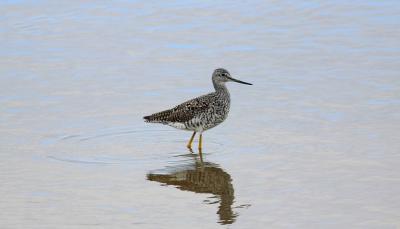
Shorebirds (also called waders) are long-legged birds that live in wet or coastal environments, excluding web-footed seabirds. Their long legs allow them to wade in mud and water where they eat small invertebrates that are detected with sensitive nerve endings at the end of their long, narrow bills. Different lengths of bills enable different species to feed in the same habitat without direct competition for food. Many shorebird species are known to migrate for breeding and seasonality purposes.
Migrating species are more prone to collision with offshore wind farms due to spatial overlap, while resident species may be less likely to fly greater distances offshore. On-shore power connections for marine renewable energy may also disrupt shorebird habitat.
Marine and Wind Energy Environmental Documents
Tethys is a knowledge hub that contains documents on the environmental effects of wind and marine energy. The table below contains all of the documents in the Tethys Knowledge Base associated with Shorebirds.
Total: 90