



Habitat Change
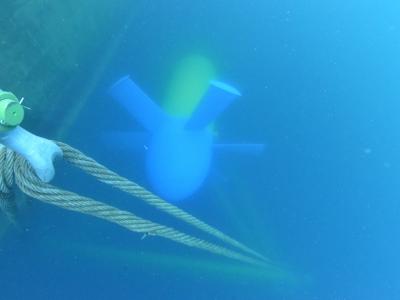
The introduction of wind or marine renewable energy devices to the environment can change the physical habitat. The development of land-based wind farms, for example, typically requires the addition of roads and infrastructure, which can lead to habitat degradation and/or fragmentation. Installation of offshore wind and marine renewable energy devices' associated subsea power cables will likely result in changes to seafloor habitats. The physical presence of one or many devices may cause animals to avoid the area, potentially resulting in loss of foraging, breeding, rearing, or resting habitats. Fish may be attracted to a device to feed on algae or to swim in an eddy, while bats may be attracted to a device to feed on insects that are attracted by the light, both of which may place them at higher risk for collision with dynamic portions of the device. Mooring lines that anchor floating devices to the seafloor could also confuse or entrap large marine animals like whales, causing panic and potential injury or increased predation.
For more information relevant to marine energy, view the Changes in Benthic and Pelagic Habitats Short Science Summary produced by OES-Environmental.
For more information relevant to offshore wind energy, view the Introduction of New Structures: Effects on Fish Ecology and Benthic Disturbance from Foundations, Anchors, & Cables research briefs produced by SEER.
Photo Credit: BALAO-SABELLA
Marine and Wind Energy Environmental Documents
Tethys is a knowledge hub that contains documents on the environmental effects of wind and marine energy. The table below contains all of the documents in the Tethys Knowledge Base associated with Habitat Change.
Total: 1636