



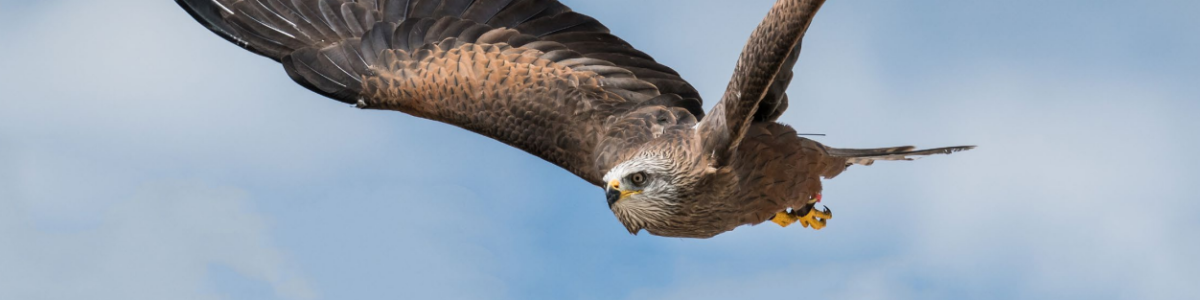
Wind turbines and associated operation and maintenance activities can have negative impacts on avian species both onshore and offshore. The primary effects of concern for birds are (1) collision, whereby individuals make lethal contact with wind turbines, and (2) displacement, a sublethal effect in which the presence of wind turbines or activities associated with them cause wildlife to redistribute and results in increased energy expenditure and a functional loss of habitat. The risk and impact of effects on a species is determined by a combination of stressors, vulnerability, and exposure [1,2]. Although dozens of species may be exposed to operating wind turbines, variation in behavioral and physiological traits among species means that not all species are equally vulnerable to collision and displacement.
Bird Behavior and Physiology: Implications for Collision and Displacement Risk (Web Version)
Bird Behavior and Physiology: Implications for Collision and Displacement Risk (Print Version)