



Over the last 15 years, OES-Environmental has been exploring the environmental effects of marine renewable energy (MRE) projects, synthesizing available data and information, and developing useful resources for developers, regulators, and other stakeholders. This Tethys Story highlights several key OES-Environmental resources hosted on Tethys.
State of the Science
For those new to MRE, OES-Environmental recently published an update to its Marine Renewable Energy: An Introduction to Environmental Effects, which is a short brochure that describes different MRE technologies, key stressor-receptor interactions, current levels of risk based on available information, and recommendations for minimizing those risks (Figure 1).
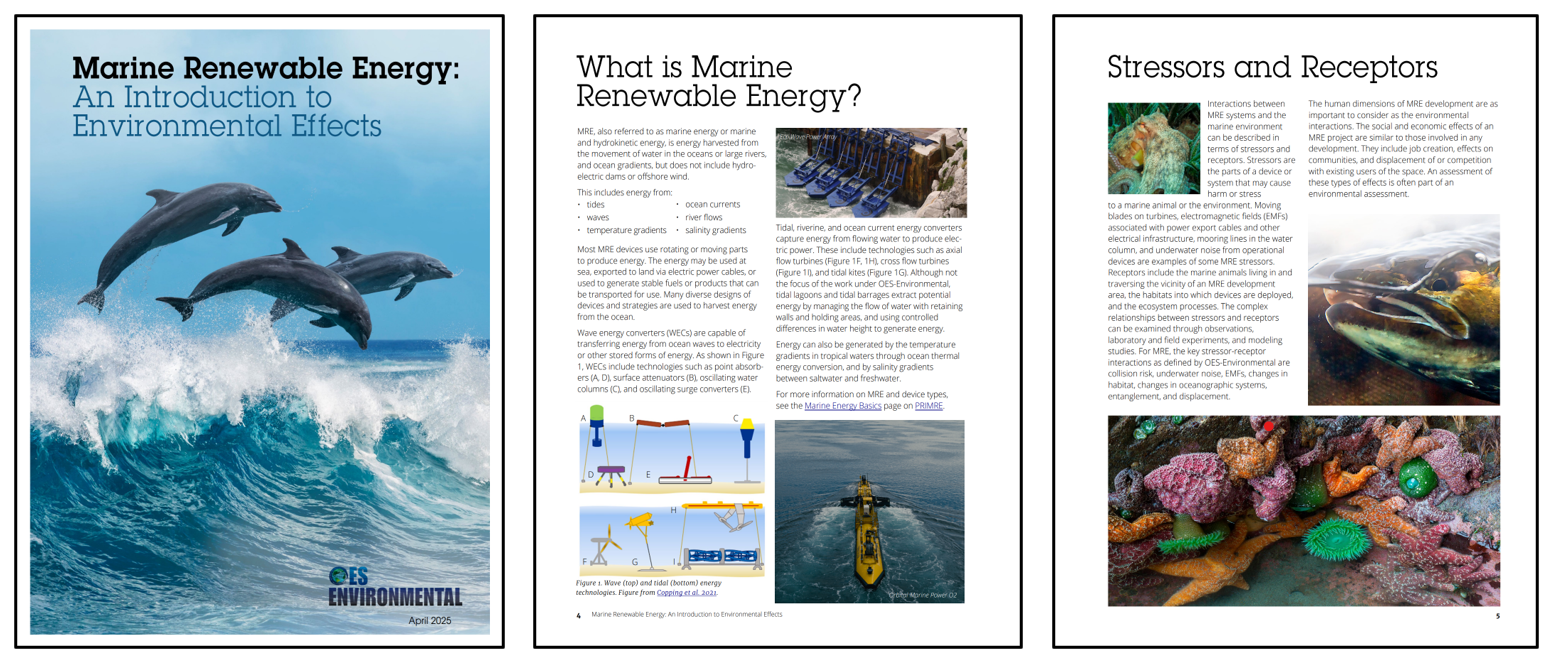
Figure 1. Marine Renewable Energy: An Introduction to Environmental Effects.
To dive deeper into MRE’s potential environmental effects, social and economic effects, strategies to aid consenting, and more, read the OES-Environmental 2024 State of the Science Report. The Executive Summary, available in 8 languages, and Short Science Summaries provide broad overviews of the material in the full report (Figure 2).
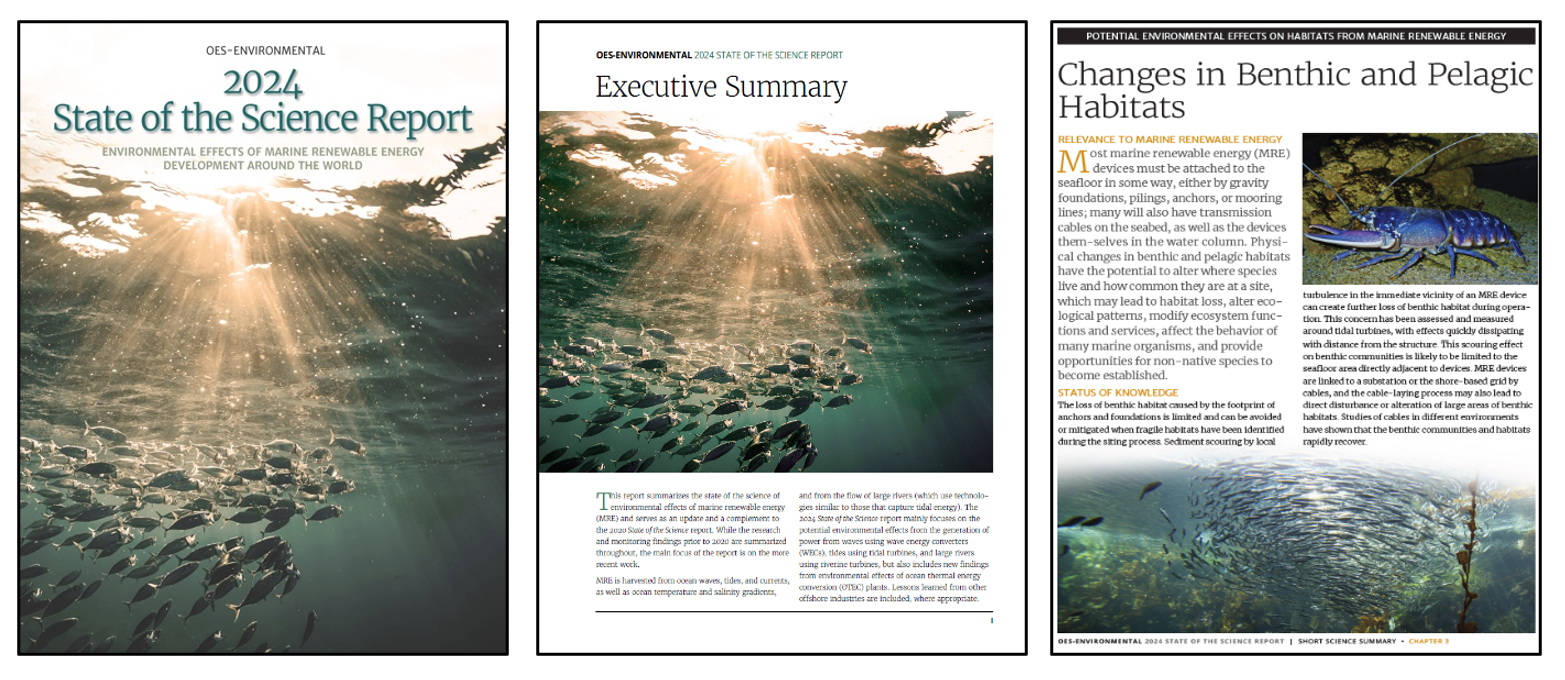
Figure 2. OES-Environmental 2024 State of the Science Report: Environmental Effects of Marine Renewable Energy Development Around the World, its Executive Summary, and the Changes in Benthic and Pelagic Habitats Short Science Summary.
Risk Retirement
Coined by OES-Environmental, “risk retirement” is a term used to describe the process of streamlining consenting for MRE projects whereby each environmental risk need not be fully investigated for every project. Instead, regulators, advisors, developers, and consultants can rely on what is known from consented MRE projects and related research studies to help determine which interactions are better understood and can be considered as low risk and retired (Figure 3). For example, effects from electromagnetic fields and underwater noise from MRE devices can be considered “retired” for small numbers of MRE devices, but the risk of collision with moving underwater components of an MRE device remains a key concern and area of research.
The risk retirement process is informed by available data and information collected from past and present MRE developments (see more on data transferability here). It does not take the place of existing consenting processes or replace the need for appropriate data collection before, during, and after MRE device deployment. As new information becomes available, such as, for example, at the regional or local scale of an MRE project, a retired risk can (and should) be re-examined.
To help implement the risk retirement process and support discussions between MRE developers, regulators, and other groups, OES-Environmental recently published Best Management Practices (BMPs) for risk retirement. For more information on risk retirement and other strategies to aid consenting processes for MRE, read Chapter 6 of the 2024 State of the Science Report.
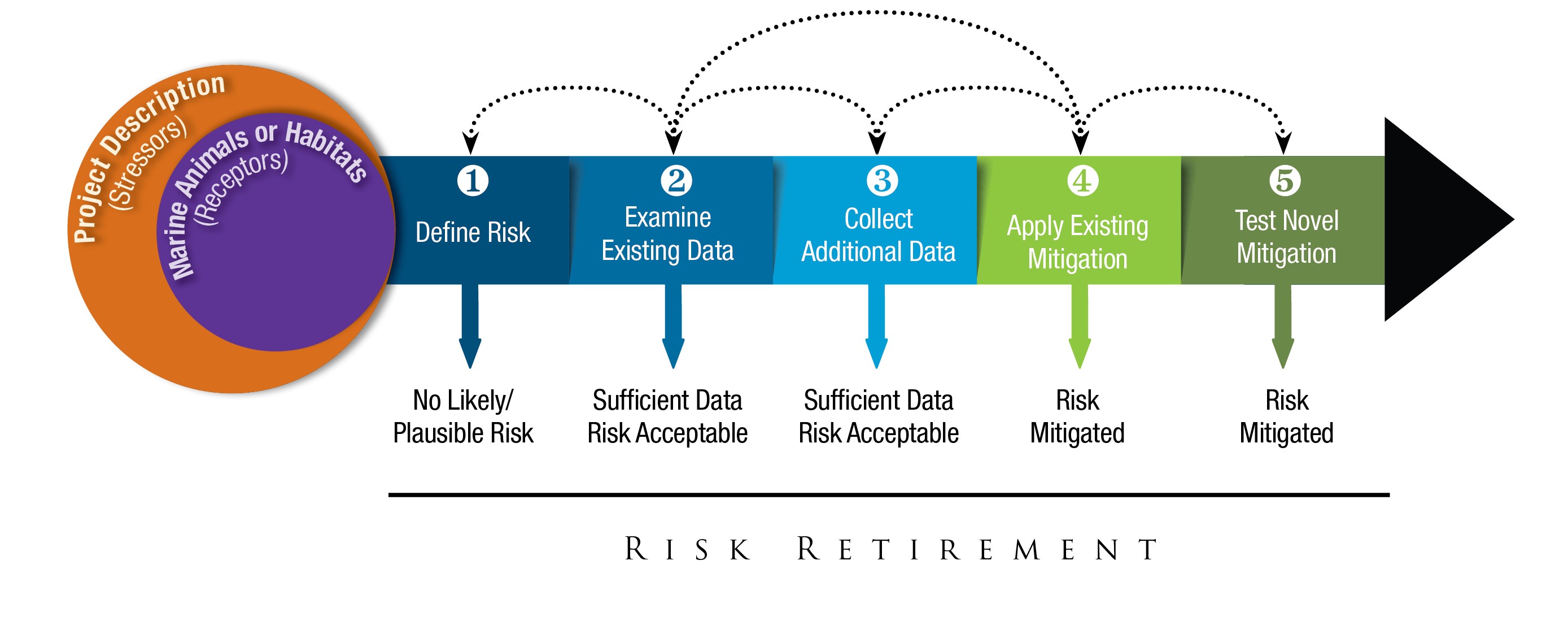
Figure 3. Risk retirement pathway. The dotted arrow lines represent the feedback loops between each stage of the pathway. The downward arrows at the bottom of each stage indicate the off ramps where a risk might be considered retired.
Regulator Surveys
Between 2017 and 2021, OES-Environmental surveyed regulators around the world to understand their familiarity with MRE, key environmental concerns, and awareness of risk retirement (Figure 4). Overall, the survey results highlighted regulators’ limited knowledge of MRE’s environmental effects and the need for easily accessible resources to support decision-making. New surveys are now underway to collect additional information and inform future OES-Environmental activities and products.
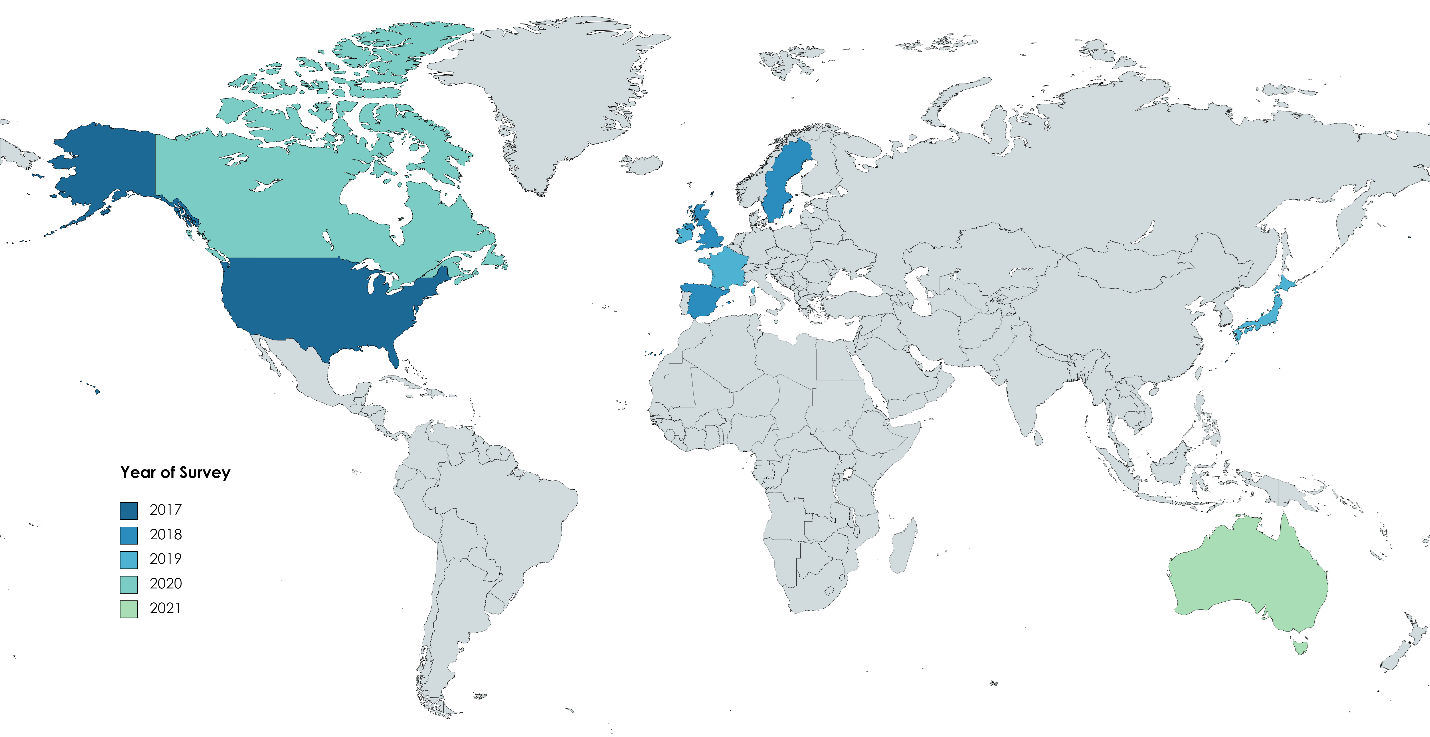
Figure 4. Map of countries where OES-Environmental has conducted regulator surveys.
Evidence Bases
Following a series of expert workshops in 2019 and 2020, OES-Environmental developed a set of evidence bases, which are non-exhaustive, curated lists of the latest MRE research on key stressor-receptor interactions, to support the risk retirement process (Figure 5). More recently, OES-Environmental updated the evidence bases with research featured in the 2024 State of the Science Report and will continue to update them as new information emerges.
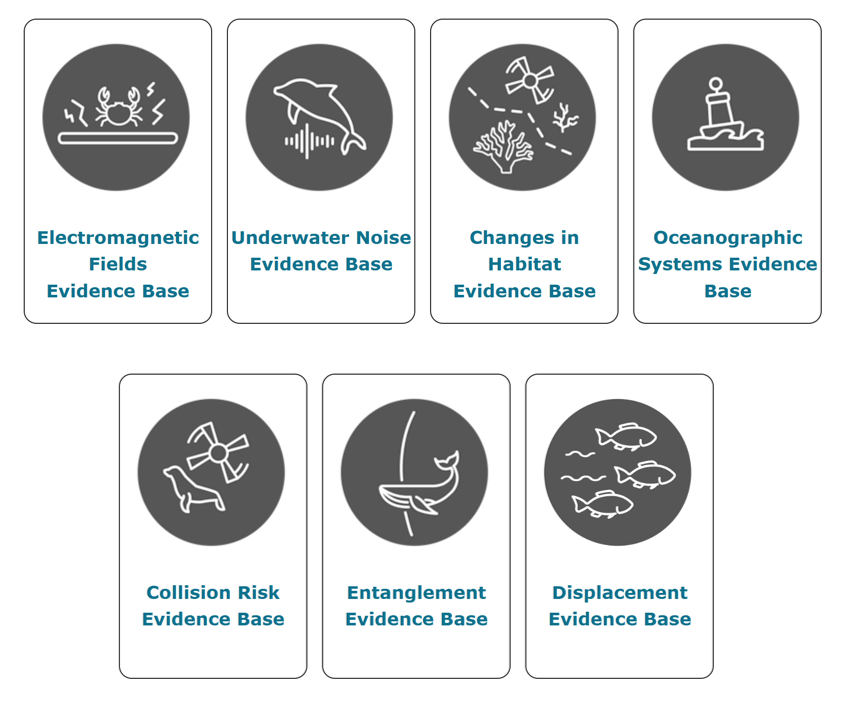
Figure 5. Evidence bases.
Guidance Documents
In 2021, OES-Environmental began publishing a series of guidance documents to support decision-making and for developers as they prepare consenting applications (Figure 6). There are currently 13 country-specific documents available that provide key consenting requirements for Australia, Canada, China, Denmark. France, Ireland, Japan, Mexico, Portugal, Scotland, Spain, the United States, and Wales, as well as six stressor-specific documents that provide an overview of the available scientific information for each stressor-receptor interaction and the status of risk retirement for each.
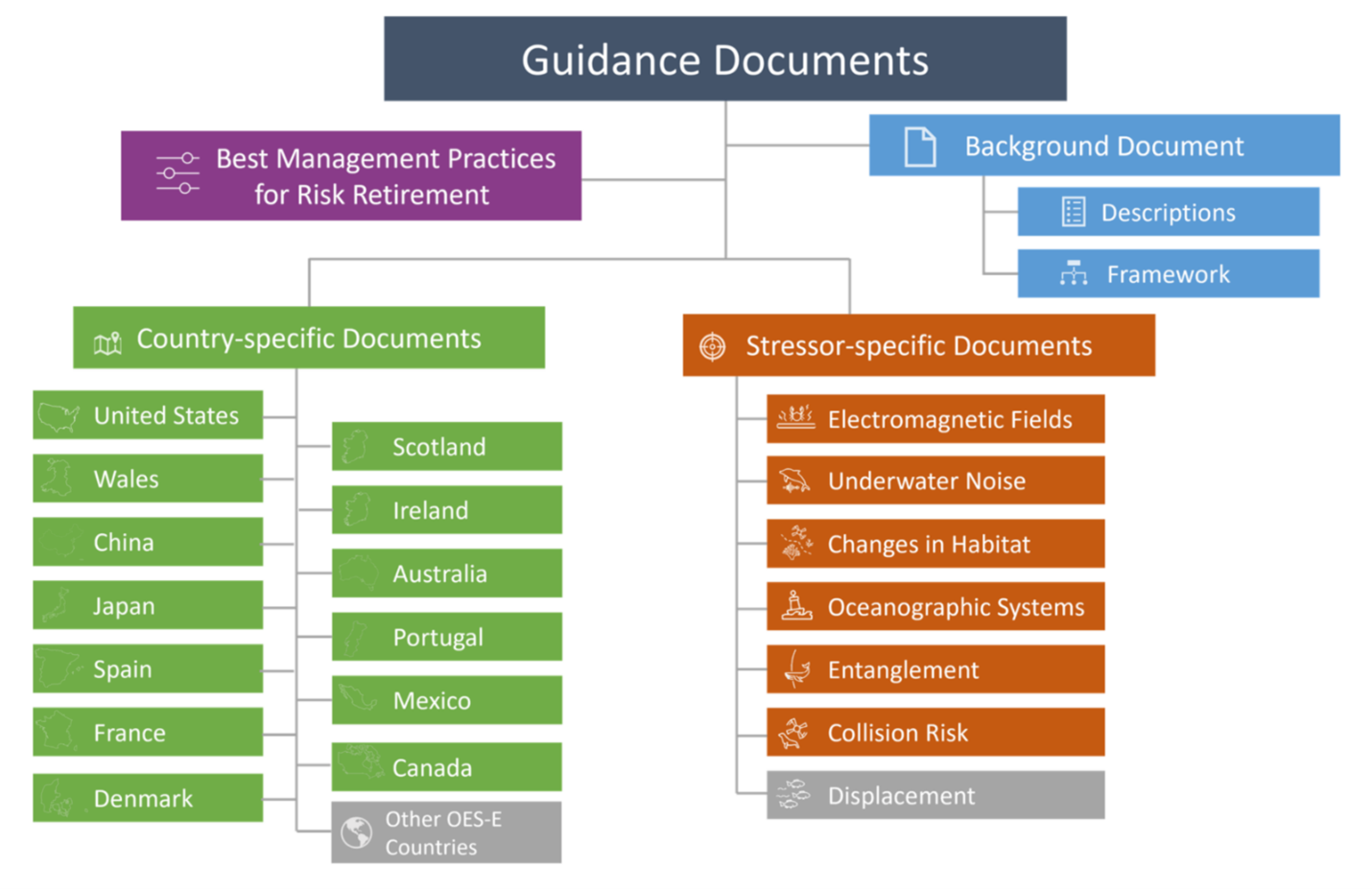
Figure 6. Guidance documents.
Stay Up to Date
To stay up to date with OES-Environmental’s activities, subscribe to the Tethys Blast newsletter, which highlights MRE announcements, upcoming events, new documents on Tethys, and international news.